About Me

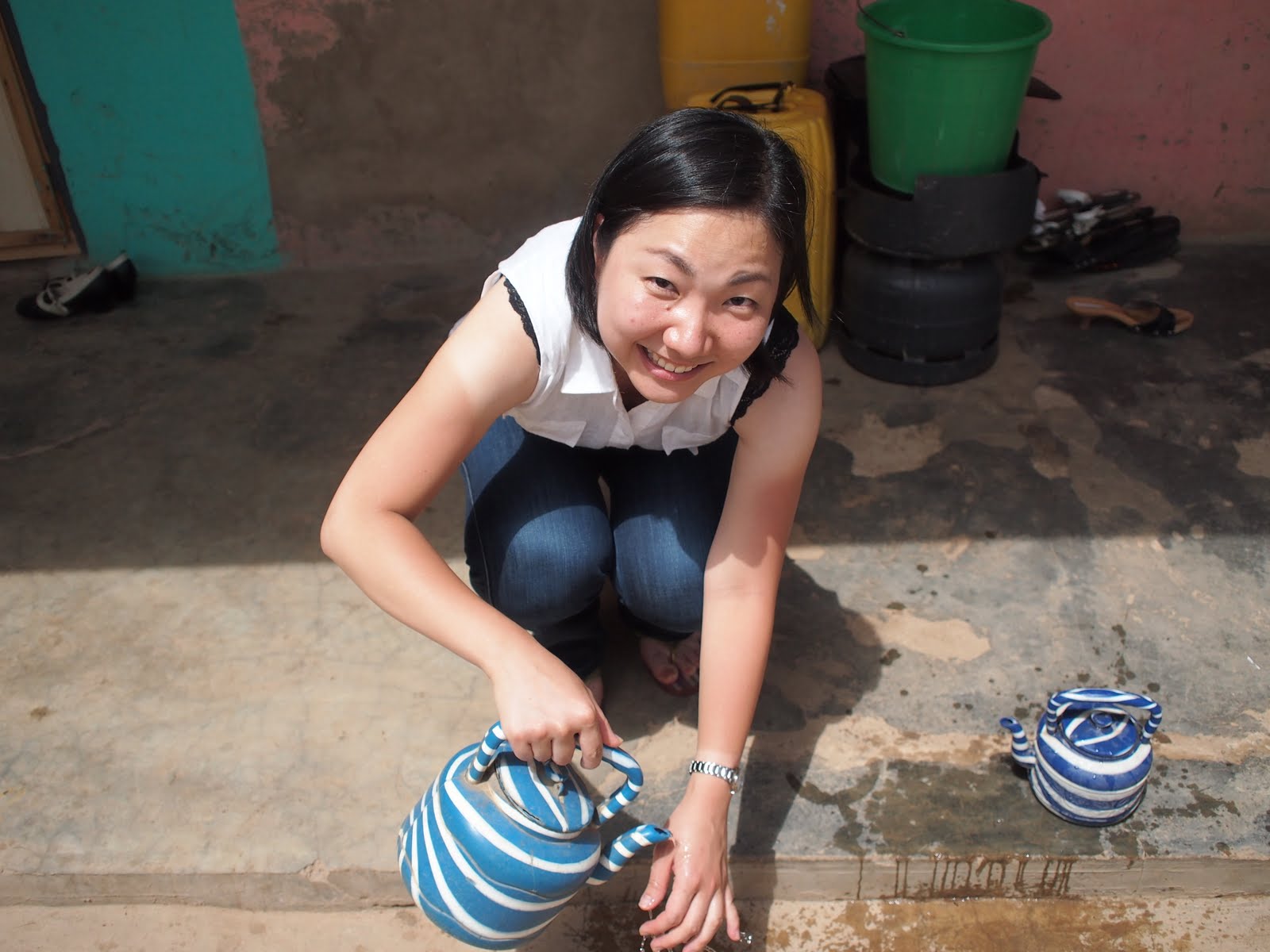
My photo
Welcome to my blog! My name is Hikaru, and I am currently in Ghana as a JICA volunteer. I am Japanese, but have a very international background. This is my first time in Africa, though, so I am hoping to learn as much as I can during my two-year stay here! Hope you enjoy my blog :) 私のブログへようこそ!ガーナに青年海外協力隊員として派遣されている「ひかる」と申します。国籍も心も日本人ですが、海外生まれ海外育ちで少し異色なバックグラウンドを持っています。アフリカに住むのは初めてなので、ここにいる2年間の間にたくさん吸収したいと思っています。是非気軽にブログを読んでください!^^

Monday, May 28, 2012

酒と泪とコロッケと魚 / Beer, Tears, Croquettes and Fish


投稿のタイトルについて:ダジャレスタートですみません・・・ちょっと古い歌ですが、ご存じの方はいらっしゃると期待しています><
About the blog entry title: Sorry, English speakers... this is a joke on an old Japanese song titled "Sake and Tears and Men and Women" but I couldn't quite translate the joke! 

今日は最近の悩みについて書きたいと思います。本当はこのブログはなるべくポジティブにしていきたいので悩みについて書くのを躊躇したのですが、悩みも経験の内ですし、2年後に振り返ったら「そんなことで悩んでたのか」と思うかもしれないので書くことにしました。

Today I would like to write about a problem I’ve been facing recently. I wanted to keep this blog as positive as possible so I hesitated to write about this, but worrying is part of the experience, and maybe in 2 years I will look back and think “What was I complaining about?” so I’ve decided to write it out.

私は海外生活が長いので、新しい場所に行っても慣れるのが早い方だと思います。文化の違いを全て受け入れるわけではないですが、なるべくまずは観察してそれから意見を持とうと(少なくとも頭の中では)思っています。ガーナに来てからも積極的に食べ物や現地の習慣、服装などを試して経験しようと努力してきました。

I have lived overseas for long, so I think I am relatively quick at adjusting to new places. This doesn’t mean I accept every cultural difference, but I do try to observe first before forming an opinion (at least in my head).  This holds true in Ghana as well, where I have been trying to take the initiative and try different things, from the food to local traditions and clothing.

そんなガーナで一番難しいと感じているのは食べ物や気候よりも人との付き合い方です。ガーナの人たちは基本的にフレンドリーで大人しく、外国人に対しても敵意がなくて親切にしてくれます。ただ、そもそも外国人の人数が少なくて目立つので、必ず注目の的になります。道を歩いていると子供たちが大きな声で必ず「Nansara, How are you, We are fine, Thank you (白人さん、お元気ですか、元気です、ありがとう)」という歌を歌われ(しかも1回でなく何回も!)、男性からは初めて会ったにも関わらず愛の告白とプロポーズをされ、私は声が高いのでそれを真似してからかわれ・・・ 現地語が少し喋れると分かると午前中なのに「こんばんは」と現地語で言ってきて私が間違えるか見てみたり・・・ もちろん、「ご飯買いたいからお金ちょうだい」「その靴気に入ったからちょうだい」もしょっちゅう言われます。

However, the one thing I find most difficult to adjust to in Ghana is not the food or the weather, but the people. Ghanaians are usually very friendly and unaggressive, and they are very open to foreigners. However, since there are so few of us here and we stand out, we are always the center of attention. If I walk in the streets, the children always sing in a loud voice “Nansara (White person), how are you, we are fine, thank you” (not once but multiple times!), men say they love me and propose to me even if we’ve just met, people imitate my high voice and make fun of me… Once they find out that I understand bits of the local language, then they would test me by purposely saying “Good evening” in the morning and see if I make a mistake… And of course, there is the constant “Give me money to buy food” “I like your shoes so give them to me”s.

どの行動も本当に些細なことで、本人たちに悪意はありません。例えばプロポーズもただの冗談で、白人に振られる姿を周りが面白がるという暇つぶしです。ただ、これが毎日朝から晩まで続き、同じ道を毎日通っているにも関わらず言われ、更には夜家に帰ってきても近所の子供たちが家の外に群がって「ひかる!ドアを開けて!」コールを続けるとなるとさすがに疲れます。

Each incident is very small, and they don’t mean ill. For example, proposals are just a joke and they are killing time by enjoying watching a black man being dumped by a white woman. But when this happens day and night, every day, despite the fact that I use the same road, and when I come home at night and find all the neighborhood kids in front of my door shouting “Hikaru! Come and open the door!” then it does get very tiring.

その内自意識過剰になってしまい、例えば道で「Nansara」に似た言葉を聞いただけでも振り返ってしまったり、家にいても外の声は全部聞こえるので、誰かが噂している気がしたり、隣で物を叩いていたらまた子供たちが来たのかと怯えてしまったりと、ちょっと私らしくない日々を過ごしてしまいました。

I eventually became a bit paranoid. For example, if I hear a word similar to “Nansara” on the streets I would turn to look, and at home since I can hear all the conversations I have, I felt like people were always talking about me, and if my neighbor was pounding something I would get scared that the kids have come again… In other words, I was not being myself for the last few days.

さて、昨日の土曜日。お洗濯物を干していたら近所の知り合いのおばさんのメモーナさんが来て、「ご飯買いに行くから50ペセワちょうだい」と言ってきました。実はこのおばさま、私が引っ越してきたときから本当に親切にしてくれて、英語が喋れないにも関わらずいつも一生懸命私のワレ語で話しかけてくれるステキな人です。いつも「その靴かわいいからちょうだい」「ダメよ、おばさん。これ私の好きな靴だから」と言う冗談を交わしていたし、昨日もちゃんとお財布を持っていたのでいつもだったら冗談と気づいて「イヤだおばさん、私お金ないよ」とでも軽く返せばいい話でした。

So, yesterday (Saturday). I was drying my clothes when Memona, a woman who lives nearby, came and said “I want to buy rice so give me 50 pesewas”. Actually, this woman has been very kind to me since the day I moved in, and although she doesn’t speak English she always talks to me in the Waali language and is really a wonderful person. It became a running joke for her to say things like “Your shoes are cute, give them to me” and for me to reply “No, auntie, I like my shoes”.  Yesterday she even had her wallet with her so I should have realized that it was a joke and just replied lightly by saying “Oh auntie, I don’t have money” or something like that.

でも、連日の色々で疲れ切っていたのでこのときは冗談に思えず、更にワレ語で言われたため言葉の壁もあり、「私の好きなおばさんまでこんなことを言ってくるのか・・・」と悲しくなってしまって思わず泣いてしまいました。

Unfortunately, I was so tired by that time with all that had been happening so I couldn’t take this as a joke, plus we had a language barrier as she said everything in Waali, so I became really sad that even my favorite neighbor was asking me for things, and I started to cry.

玄関先で私が泣き出してしまったので近所のお姉さんたちが心配してやってきて、ちょっとした騒ぎになってしまいました。お姉さんたちの通訳のおかげでおばさんはただ冗談で言っていたということ、そして私が「物が欲しい」と言われたりすることに疲れてしまっていることがお互いに分かり、おばさんは優しく「あんたが泣いたらみんな悲しくなっちゃうから、止めなさい」と言ってくれました。

Since I was crying at my doorstep, some neighborhood ladies got worried and came, and it became a bit of a commotion. The ladies translated for us, so I found out that the woman was just joking, and Memona understood that I was tired of being asked for things. She just turned to me and said warmly “If you cry everyone will be sad, so stop crying”.

そんな小さなことで泣いてしまった自分が本当に恥ずかしいのですが、不思議なことに一度泣いたら少し気持ちがすっきりしました。気持ちがすっきりしたら、ずっと親切にしてくれていた人たちの存在にやっと気づくことができました。近所のお姉さんたちは私のことを心配し、気分転換にと流行りのダンスを教えてくれて市場にも一緒に行って美味しい果物をごちそうしてくれました。夜には職場の同僚から電話があって「ちゃんと歓迎会していないから」と言うことで飲みに連れて行ってもらいました。

I’m really embarrassed for crying over something so petty, but strangely enough, once I cried I felt a little bit better about things. Once I felt better, I finally realized that there had been kind people around me all along. The translator ladies were worried about me, so to change my mood they taught me the latest dance, took me to the market and bought some delicious fruits for me. At night my colleagues from work called and invited me to drink because they “didn’t really have a welcome party for me yet”.

今朝、外に出たらメモーナおばさんが笑顔で挨拶してくれて、更にいつも通訳してくれる息子のサドゥ君を通じてマンゴーまでくれました。サドゥ君はその後自転車の修理屋さんに連れて行ってくれて、修理が終わるまでずっと一緒にいてくれました。

This morning, when I went outside Auntie Memona greeted me with a smile, and sent her son Saddu, who always translates for us, to give me mango. Saddu later helped me find a bicycle repair shop and waited with me all afternoon.

些細な嫌なこともあるけれど、些細なステキなこともある。それを気付けただけで、とても気持ちが軽くなって、今朝起きてガーナに来て初めて「ああ、いつもの自分だ」と感じることができました。

Some small incidents are bad, but some small incidents are wonderful. Just realizing that fact lifted a weight from my shoulders, and when I woke up this morning I felt that I was back to my normal self for the first time since I got to Ghana.

さて、ご近所の皆さんに心配と迷惑をかけてしまったので、何か日頃のお返しはできないか・・・と考えていたところ、たまたま普段ワでは手に入らないポテトを買っていたのを思い出し、コロッケを作ることにしました。コロッケは日本食ではないですし、考えたら現地料理にヤムボールと言う似たお料理があるのですが、ワの人たちの好きなカレー粉を使って作ったら食べやすいかなと思って、初めて一人で揚げ物に挑戦しました。初めてにしてはそこそこ美味しい物ができたので、早速タッパーに詰めていつもお世話になっている隣の大家さん一家とメモーナさん一家に届けました。

Now, I caused a lot of worry and concern to the neighborhood, so I wanted to give something in return for all they’ve done… and realized that I had just bought potatoes (a rarity in Wa!) so I decided to make “Croquettes” (fried potato balls that are very common in Japan). If I think about it, croquettes are not exactly authentic Japanese food, and there is a similar local food called Yam balls, but I thought that if I add some curry powder (which people in Wa like) it wouldn7t be too bad, so I made deep fried croquettes for the first time on my own. It turned out quite well for my first try, so I packed them in Tupperware and brought them to my neighbor (my landlord’s family who is always helping me) and to Auntie Memona’s family.

メモーナさんは相当驚いたみたいでいつもはお喋りなのにほとんど何も言いませんでした。帰って10分もしない内にトントンとノックがあって、なんとタッパーの中に煮魚を入れて持ってきてくれていました。「お魚好きだといいけれど・・・」と言った後「もらったものは全部食べたよ」と言ってくれて「Barika(現地語でありがとう)」と何度も何度も言って帰って行きました。またまたホロリと来てしまったわたし・・・ 今週末メモーナさんには2回泣かされたことになります。
                                                                                          
Memona is usually a talkative person but she was so surprised that she hardly said anything. Within ten minutes after I returned home, I heard a knock on the door, and found that she had brought back the Tupperware with fish inside. She said “I hope you like fish…” and then “I ate everything you gave me” and then said “Barika (Thank you, in Waali)” a million times before leaving. This made me teary again… which means Memona made me cry two times this weekend.

なんて子供なんだこの人は、とお思いですか?私も同感です。もうすぐ28歳になる人の文章とは思えない内容ですよね。実に情けない。

If you are thinking right now that I am a childish person… Well, I agree! What I’ve written so far does not sound like something a person turning 28 soon would write. It’s really quite embarrassing.

でもそんな子供な私も今回気づいたことがあります。
世の中色々な人がいるけれど、それでも人が好きだから選んだ道。人によって受けた傷は人によって癒されていく、だから辛くなっても人と付き合い続けているんだと思います。

But there is something that I realized, despite my childishness.
There are all kinds of people in the world, but I chose this path because I still like people. The scars that you get from people are cured by people, and this is probably why I continue to interact with people no matter how hard it gets sometimes.

読者の皆様も、辛くなったときは自分の周りにいるステキな人たちのことを思い出してください。私も、私の大切な人たちにとって私がそんな存在であるといいなと思いますし、そうなれる様に自分を磨こうと思います。

To my dear readers, when you go through hard times please think about the wonderful people around you. I hope that I am such a person to the people most important to me, and I want to continue to grow so I can be that person for them.

Barika Barika Barika

Monday, May 21, 2012

About My Assignment / 活動について


I am sorry that it has been two weeks since my last post, despite my promise to update at least once a week. It has been 3 weeks since I arrived in Wa, and everyday has been a mixture of happiness, anger, sadness and fun (as we say in Japanese). One recurring thought is that, despite differences in “culture” and “language”, people are really not that different around the world. My honest opinion is that every country has their nice people, fun people, people who talk too much, people who make fun of you, etc.

一週間に一度は必ず更新すると言っていたのに、2週間経ってしまったすみません。ワに来て3週間が経ちましたが、喜怒哀楽に溢れた毎日を過ごしています。つくづく思うのですが、「文化」や「言語」の違いはあっても、人って世界どこに行ってもあまり変わらないな~ということです。どこの国でも優しい人、楽しい人、喋りすぎる人、からかう人、等などいるな、と言うのが正直な感想です。
ProNet Office ・ プロネットノースのオフィス
But, today I am not going to talk about that but would like to discuss my assignment in Ghana. After all, I didn’t come here to just have fun! I have been assigned as a Program Officer to a local NGO called ProNet North which operates in the northern areas of Ghana. I am actually the third JICA volunteer – in 2007 there was a Rural Community Development Officer (female), and in 2009 there was a Program Officer (male) working here. Since I am the third one, everyone in the NGO knows a lot about Japan and Japanese people, and sometimes in the mornings they greet me with “Ohayou Gozaimasu!” (Good morning in Japanese).

でも、今日はその話ではなくて私のガーナでの活動について説明したいと思います。遊びに来たわけではないですからね!私はガーナ北部で活動する現地NGO「プロネット・ノース」にプログラムオフィサーとして配属されています。2007年に村落開発普及員の女性が、2009年にはプログラムオフィサーの男性がJICAボランティアとしていたので、私は実質3代目のJICAボランティアとなります。3人目なのでNGOの方々も日本や日本人のことをよくご存じで、朝行くと日本語で「おはようございます」と言ってくれたりします。

ProNet North initially began work on water supply issues, but because Northern Ghana, especially Upper West Region (Wa is the regional capital) is a very poor area suffering from various issues, they naturally began increasing their project areas. Currently they work on multiple projects dealing with areas such as water, environment, education, women’s rights, livelihoods, risk management and others. This year marks their 17th anniversary, and if you look at the projects they undertake and their donor list, you can tell that they are highly trusted both domestically and internationally. The staff members are all very hardworking, warm-hearted, and proud of their job. They teach me so many things every day.
With my co-workers Mavis, Emma and their daughters / 同僚のマヴィスとエマ、そして娘さん達と

プロネット・ノースはもともと水資源に関する仕事で始まったのですが、ガーナ北部、特にアッパーウェスト州(ワは州都です)はとても貧しい地域で水以外にもたくさんの問題を抱えているので、自然にプロジェクトが増えて行ったようです。現在はお水の他に環境、教育、女性の権利、暮らし、危機管理、など様々な分野で活動しています。今年で17年目になるベテランNGOで、請け負っているプロジェクトの内容やドナーのリストを見ると、国内でも海外でも信頼されているNGOであることがよく分かります。スタッフの皆さんは本当に真面目で、温かくて、そして仕事に誇りを持っています。毎日たくさんのことを教えていただいています。

To be honest, at first I was apprehensive whether there was any way that a development rookie like me could contribute to such a veteran organization. But after talking with the ProNet staff and learning about the organization, I am slowly beginning to see my role here. ProNet is currently preparing for change. They want to change from simply undertaking projects from donors, to becoming an independent group. This means that advertisement and public relations become really important, and there is also a need to keep records of past achievements. I have always liked working on PR related things, and keeping records and evaluations are part of what I studied at graduate school, so I feel these are areas where I can contribute in some way.
Our Resource Center / オフィスの「ライブラリー」

正直言って、このベテランNGOに入って、開発分野ではルーキーの私に何ができるのかとても不安でした。でも、プロネットの方々と話をし、組織について勉強していく内に少しずつ自分の役割が見えてきた気がします。現在プロネットは変化のときを迎えています。今までの様にドナーから要請のあったプロジェクトをこなしていくだけではなく、もっと自立した組織になろうとしています。そのためには宣伝やPRが重要になってきますし、今までの成果を目に見える形で残す必要もあります。私はもともとPR関連の仕事をするのが好きですし、記録を残したり、評価をしたりということは大学院でも勉強してきたことなので、こういう面でお役に立てるのではないかと今は考えています。

Please take a look at our newly updated ProNet website! (I helped edit parts of it too) J

先月更新したばかりのプロネットのウェブサイトを是非のぞいてみてください!(私も編集に関わりました^^)http://www.pronet-ghana.org/

Carrying a baby Ghanaian-style! /
 赤ちゃんをガーナスタイルで抱っこしてみました!
Anyone who has been involved in development would agree that development is a very difficult field. The “right” methods and evaluations and answers change continuously, and the fact is that there are many disappointments associated with this job. I know that in the next two years I will see many happy moments and many disappointing moments and my emotions will fluctuate between hope and despair. My hope is though, that I will take in all of those experiences and be able to form my own ideas and thoughts in the process.

開発に関わった方々はご存じだと思いますが、開発は本当に難しい世界です。「正しい」とされるアイディアも評価の方法も常に変わり、がっかりすることが多いのも事実です。きっとこの2年間、嬉しいと思うこととがっかりすることがたくさんあって一喜一憂する日々が待っているだろうと思います。それら全てのことを吸収し、自分なりの考えを作っていけたらと願っています。

Sunday, May 6, 2012

Guardian Angels / 守護天使


Dear readers, 読者の皆様、

In case you were worried, I am safely in Wa, living in my new house and starting my new job. But I have to admit, the last few days have not been easy!
心配されている方のためにまず、ワに無事到着し、新しい家に住み新しい仕事を始めたことをご報告します。ただ正直に言うと、この数日間は楽ではありませんでした!

I had yet another difficult journey coming up here to Wa. The first part of the journey to Kumasi was fine, but the second part was a disaster. After the trouble I had with Metro Bus the last time, I decided to take a Tro-Tro van (something like a van taxi) to Wa instead. Tro-Tro vans are very convenient and more comfortable than some buses, barring the fact that you have to wait until the van is completely full before it leaves.

またしてもワまでの道のりは大変でした。前半のクマシまでの旅は良かったのですが、後半は最悪でした。前回メトロバスで大変な思いをしたので、今回は「トロトロ」と呼ばれるバン(乗合バンの様なもの)に乗ることにしました。トロトロはとても便利で場合によってはバスより乗り心地がいいのですが、ひとつ難点は席がいっぱいにならないと出発しないということです。

Instead of writing long paragraphs about what happened, let me try something new and give you a list of phone messages and conversations that I had with my coworker.

9:00am:   “Hello! I just left Kumasi now. I should get to Wa around 3-4pm. Thank you!”
1:30pm:   “Hi. Our van had some problems along the way so the trip is taking longer than expected. We are currently at a town called Bamboi, so I should get there in maybe 3 more hours. Thank you”
2:30pm:   “Hi… So our van is spoiled (broken). The starter has broken apart and pushing the van doesn’t help. The driver has disappeared and is nowhere to be found.”
3:30pm:   “Still looking for another bus or van that can take me… Sorry for the delay”
4:30pm:   “The driver has come back and says that the van can be fixed. He is working on it right now, so I will see how it goes.”
5:30pm:   “Hi… I don’t think the car is really going to be fixed… What should I do??”
Fixing the van / バンの修理中

さて、長々と旅で起こった出来事を書くより、今回は趣向を変えて私があの日配属先の同僚に送った携帯メールと会話のリストをご紹介します。
9:00 「クマシを出発しました。ワには3時から4時頃に着くと思います。よろしくお願いします!」
1330 「途中でバンの故障などがあってちょっと遅れています。今はバンボイという町にいるので、後3時間ほどで着くと思います。よろしくお願いします」
1430 「こんにちは。どうもバンが故障してしまったようです。スターターが壊れて、バンを押してもエンジンが掛かりません。運転手さんがどこかに消えてしまいました。」
1530 「他のバンやバスに乗せてもらえるか確認中です・・・遅れてすみません」
1630 「運転手さんが戻ってきて、バンは直ると言っています。様子を見てみます」
1730 「あの・・・どうも直る見込みがありません。どうすればよいでしょう??」

At this point, Martin, the Director of the NGO I work with, was extremely worried about me. He made a call to a friend in Bamboi, who then came to see me to assess the situation. He quickly decided that the van was not going anywhere, so he started asking other buses and vans going through if they had space for one. We finally got one bus to let me on, on the condition that I sit on a plastic chair in the middle aisle. The friend’s brother-in-law happened to be on this bus by luck, and took care of me throughout the bus trip until we finally reached Wa at 11pm. The brother-in-law stayed at the station for me until my coworker came to pick me up, and my coworker took me to my new house.

この時点で配属先のNGOの所長のマーティンはものすごく心配してくれていました。バンボイにいる友人に電話し、その友人が状況を確認しに来てくれました。彼はすぐにバンは直らないと決め、他のバスやバンにスペースがあるか聞いてくれました。やっと一台バスが見つかりましたが、中央の通路にプラスチックの椅子を置いて座るという条件でした。たまたまそのお友達の義理の弟さんがバスに乗っていて、ワに11時に着くまでずっと面倒を見てくれました。バス停に着いてからも私の同僚が迎えに来てくれるまで一緒に待ってくれて、その後同僚の車で新居に行きました。

Apparently, exhaustion can help you overcome fear. A fight broke out inside the bus and we had to stop by a police station to get one guy off, but I remained calm. When I got to my new house, most of the lights were out, the only furniture to be found was one bed, and most of the doors would not close or lock properly, but I barred them with my luggage and prayed for the best and slept.

人間、疲れると恐怖を忘れるようです。バスでケンカが起きて途中で一人警察署に連れて行かなければいけなくなっても、動じませんでした。新居に着いたとき、電気がほとんど点かず、唯一の家具がベッド、更にほとんどのドアがちゃんと閉まらず、鍵がかからないという状態でしたが、とりあえず荷物でドアを塞ぎ、何事もないことを祈って寝ました。

Thinking back to that day, I am so grateful to be alive and well. Anything could have happened that day. The Tro-Tro could have broken down in a remote area where I couldn’t have gotten any help. I could have easily gotten my things stolen. The bus I got on could have been attacked by highway robbers. Someone could have tried to force their way in to my house that night. The list goes on.

あの日のことを考えると、今生きて元気でいることを本当にありがたく思います。何が起きてもおかしくない状況でした。もしもトロトロがもっと辺鄙なところで壊れて助けを呼べなかったら。もしも荷物を盗まれていたら。もしもバスが泥棒に襲われていたら。もしも誰かが家に侵入していたら。数えきれないくらいの「もしも」があります。

Some of my precious amulets / 大事なお守りの一部
Thank you so much to my guardian angels. This includes all the wonderful people in Ghana that helped me, from the friends I made on the van to Martin and his friends, to my landlord who quickly got all the locks and my gate fixed the next day. But I’m also going to include my guardian angels outside of Ghana, my family and friends, who gave me amulets and small treasures before I left to wish for my safety. You have no idea how much these items gave me strength and helped me feel protected by unseen powers. When I felt really lonely, I held onto these tight to help me believe that everything will be alright.

私の守護天使の皆様に心から感謝します。それはバンでできたお友達や、マーティンと彼の友人たち、次の日に鍵を全て直して門まできれいにしてくれた大家さんなど、たくさんのガーナの素晴らしい人たちはもちろんのこと、海外にいる私の守護天使さん達も含めます。家族や友人が出発前に私の無事を祈ってお守りや小さな宝物をたくさんくれました。これらのお守りのおかげでどれだけ力をもらって、守られていると感じたか言葉では言い表せません。本当に心細く感じたとき、お守りをギュッと握りしめて「きっと大丈夫」と信じるようにしていました。

After a week, with the help of countless people, I am doing quite well and my house is looking nice. Here is a snapshot of my living room currently… I’m hoping to slowly decorate and make things look even better within the next few months.

It definitely was a tumultuous beginning… but a memorable one, and I know that this only means that things are going to get better from here!

あれから一週間ほどが経ち、大勢の人たちの助けのおかげで元気にしていますし、お家もだいぶまとまってきました。現在の居間の写真です・・・ これからもっと飾って数か月でオシャレな部屋にする予定です。

非常に厳しい始まりでしたが・・・印象に残るものでしたし、つまりここから先はきっと良いことがいっぱいあるのだ!と信じています。

Monday, April 30, 2012

短編から長編へ / From Short Stories to Long Stories


昨年の9月に合格したことを知ってから3か月の準備期間、2か月のトレーニング、更に1か月のオリエンテーション。遂に明日、ワに到着し、本赴任です。やっとスタートラインに立った今、これからの2年間の大きな目標をひとつ、ここに書き留めておきたいと思います。少し個人的な話になってしまいますがご了承ください。

After finding out that I was accepted into the program last September, there was a three-month preparation period, two months of training, and a further month of orientation. Tomorrow, I will finally arrive at Wa and officially start my assignment. Now that I am finally at the starting line, I would like to keep a record here about one big goal that I have for the next two years. Please forgive me for being a little personal.
At Yakushima / 屋久島にて
小学3年生のとき、英語の授業で1時間以内に物語の序章を書くという課題が出たことがあります。すぐにアイディアは浮かびました。ミステリーの超大作!女性の探偵が挑む、愛と涙の物語。暗号あり、迷路あり、暗闇での葛藤あり!きっと面白い話になる!楽しく想像している内にあっという間に1時間が経ってしまい、肝心の課題はほとんど書けず、つまらない物になってしまいました。それ以来、短編は上手く書けても長編は未だに納得いくレベルで書けていません。

When I was in third grade, we had an assignment in English class where we were told to write the introduction to an original story within an hour. I quickly thought of an idea. A great mystery novel! A moving story with love and tears about a female detective! Codes, mazes, fights in the dark, the whole deal! It’s going to be a great story! I was having so much fun imagining how the story could be that the hour passed by quickly, and of course my assignment turned out to be of poor quality, written hastily. Since then, I have written a few good short stories, but I still haven’t been able to write a convincing paper that is more than 10 pages long.
A street at Miyajima / 宮島で撮った道
人生においても、似たようなところがある気がします。子供の頃から夢ばかり見てる子でした。なりたい職業はフライトアテンダント、作家、考古学者・・・ 夢が変わる度に素晴らしい未来ばかり思い描いて、そこにたどり着くまでの道を真面目に考えていませんでした。国際関係で働く夢も中学からずっと想っている割に、現実的に国際関係でどの様な仕事をしたいのか、どこで働きたいのか、何を専門とするのか、そのためには何を勉強し、どう進めばいいのか、といった大事な過程について考えるのを長い間避けていた気がします。
I feel like I can say the same thing about life. I was always dreaming when I was a kid. I wanted to become a flight attendant, a writer, an archeologist… Every time my dream changed I would imagine my wonderful future in detail, without ever seriously thinking about how I would get there. Although I have been dreaming to work in international relations since middle school, when it came time to actually think about what kind of job I want to do in this field, where I want to work, what I want to be an expert on, what I would have to study to get there, how I should proceed, etc… in other words, the important processes, I think I avoided thinking about them for a long time.

努力は好きです。何かに向かって頑張ることも、その過程を楽しむことも、その途中で苦しむことも大事だと思っています。でも、夢が大きければ大きくなるほど、欲しければ欲しいほど、それが手に入らないことが怖くてどこか逃げていた気がします。私が回り道をしながらも国際関係という夢にちゃんと向き合ってここまで来ることができたのは、私を信じて、励まして、ときには叱って背中を押してくれた大切な家族と友人たちのおかげです。

I like working hard. I think that putting all your efforts towards something, enjoying the process and going through hardships are important. But the bigger my dreams were, and the more I wanted it, I think I got scared that I would never reach it and was running away from it. The reason that I am here today and have been able to face my dream of “international relations” despite the long route that I took, is all thanks to my family and friends who believed in me, encouraged me, and at times scolded me to push me back to this path.
A snow-covered street in Chicago after a blizzard / シカゴにて、ブリザードで雪に覆われた道
でも、そんな私もせっかく頂いたこの機会に変りたいと思います。人生が長いマラソンだとすれば、上ばかり見るのではなく、足元ばかり見るのではなく、前に続く道を見据えながら「今」をしっかり踏んで進みたいと思います。

さて、それは具体的に何を意味するのか?方法はいっぱいありますが、とにかく「焦らず、慌てず、諦めず」。仕事で大きな目標を持ちつつ、日々のプロジェクトをこなしていく。目先のことばかりに囚われない。どんなに焦る状態に陥っても、むしろその時間を楽しむ余裕を持つ。すぐに親友になることを求めず、時間を掛けて人と向き合う。そんな日々の考え方を変えていく内に見えてくる道があるのではないかと思います。

But, now that I am given this opportunity, I would like to change. If life is like a long marathon, I don’t want to keep looking up, or run while looking at my feet, but I want to look towards the road in front while steadily stepping through the “now”s.

So what does that mean exactly? There are many ways, but the important message is “Don’t Fret, Don’t Panic, Don’t Give Up”. Have a greater vision at work, while completing daily projects. Don’t get caught up on things right in front. No matter how pressing the situation, have enough capacity to enjoy the moment. Don’t expect to be best friends right away – take the time to face and get to know someone. I feel there is a new path that I will be able to see as I start to change the way I think in my daily life.
The Bike Path at my Alma Mater, Amherst College / 母校のアマースト大学にある自転車道
今回のブログに使っている写真は、何年か前からか無意識に撮りだした私の「道」コレクションです。それは川であったり、町の道であったり森の中であったりしますが、どの写真も見ていると心が落ち着きます。

The pictures that I used in this blog entry are from my “Path” collection, which I unintentionally started taking a few years back. Sometimes the path is a river, a town street or inside a forest, but each picture calms me down.


最後の線路の写真はガーナの首都、アクラで撮ったものです。この線路は任地のワまでは続いていませんが、それでも方角としては任地に向いています。

The last picture of the railroad was taken at Accra, the capital of Ghana. This railroad does not actually lead to Wa, my host town, but the direction is correct.

この2年間がどんな道になるのか、その先に何があって何が見えるのか。全く分かりませんが、私も楽しみにしていますので、どうか読者の皆様もひかるの長編がどこへ向かっていくのか、一緒に楽しみにしていてください。

皆様も、私の長編のどこかに登場されるかもしれませんね^^

What does my two-year path look like? What waits ahead, and what will I see there? I have no idea, but I am looking forward to it, so I hope my blog readers will also look forward to where Hikaru’s novel is going towards.

Perhaps you will also play a part somewhere in my novel J

Friday, April 27, 2012

Being a JICA volunteer / JICAボランティアであること


I have been back in the JICA dormitory for about a week now, and this has given me the opportunity to meet many fellow volunteers in Ghana.

JICAドミトリーに戻ってから一週間ほど経ちますが、この機会にガーナで活躍するたくさんの先輩隊員にお会いすることができました。

I don’t think I really explained how the JICA volunteer program works, so let me give a brief introduction. There are four batches of volunteers sent from Japan to various countries every year, in March, June, September and December. Since the Japanese fiscal year starts on April, the June batch is the “First” batch, and so on. Seena, Shingo and I are the fourth batch for the 23rd Japanese fiscal year, so we are Team 23-4.
Team Ghana 23-4

JICAボランティアの仕組みについてまだちゃんと説明していないと思うので、簡単にご紹介します。毎年、日本から3月、6月、9月と12月の計4回、世界各国にボランティアが送られます。日本の会計年度と同じ4月初めなので、6月赴任の隊員が1次となります。せーな、しんごさんと私は平成23年度の4次隊なので、チーム234です。

There are about 70-80 volunteers currently working in Ghana. Apparently our team of 3 is very small, and usually batches are much larger, ranging from 10-20 people. Ghana accepts batches 1, 2 and 4. This means that almost every three months, someone leaves and someone arrives so it is a constant cycle of farewell and welcome parties.

現在ガーナには7080人余りのボランティアが活躍しています。私たちの隊次は3人ととても小さいのですが、通常はもっと大きくて10人から20人は来るそうです。ガーナは1、2と4次隊を受け入れています。つまり、大体3か月ごとに誰かが去って、誰かが来て、送別会と歓迎会のサイクルとなります。

Preparing for the Welcome Party
Last Saturday, the current volunteers held a welcome party for the three of us, and even hosted a flea market so we could buy clothes and other things that past volunteers left behind for very cheap. The occupations of volunteers vary. Some are teachers while others are health practitioners, pharmacists, computer engineers, etc. They are also spread in different regions of Ghana. Everybody has a different story to tell, so it is fun to listen to their experiences.


Flea Market


先週の土曜日、先輩隊員の皆様が私たち新隊員のために歓迎会を開いてくださって、更に過去の隊員が残した洋服や雑貨をフリーマーケットで安く売ってくれました。職種もバラバラです。先生もいらっしゃれば、保健関係者、薬剤師、コンピューターエンジニア、等など・・・ また皆さんガーナの各州に散らばっています。それぞれ違うお話を持っていて、先輩隊員の色々な経験を聞くのは楽しいです。

We also got to watch presentations of volunteers who have just marked their one-year point, and final presentations from two volunteers who left for home yesterday. It was hard to imagine that after a year, and then after another year, I will be doing the same presentation. The presentations were really inspiring. For example, a PC instructor who was having trouble with broken keyboards decided to cover the keyboards with plastic wrap to avoid sand damage. A handicraft volunteer working at a school collected donations from students to repair sewing machines that they need for class. An elementary school teacher decided that it would be better to guide teachers rather than students how to teach exciting science classes and started science class workshops. Every volunteer had creative solutions to problems they faced at work.

I am now more determined than ever to work hard so that this time next year, I will be able to give an equally convincing and inspiring presentation about my assignment.

また、ちょうど赴任1年を迎えた隊員の1年報告会、及び昨日帰国した隊員の帰国報告会のプレゼンテーションも見ることができました。来年の今頃、そして更にその1年後に同じ様なプレゼンをする自分を想像しにくかったです。とても刺激的なプレゼンテーションばかりでした。例えば、PCインストラクターの方はキーボードがしょっちゅう壊れてしまうため、サランラップを巻いて砂の被害から防ぐようにしたそうです。手工芸のボランティアは学校の生徒から募金を集め、クラスに必要なミシンを何台も修理したそうです。小学校教諭の方は、生徒ではなく直接先生にどういう風に楽しい理科の授業を教えればいいか指導した方が良いと考え、理科の授業のワークショップを始めたそうです。どの隊員も任地で面した問題に対し独創的な解決法を考えていました。

今まで以上に自分の活動に対して意欲が湧き、来年の今頃には先輩と同じように説得力のある、刺激的なプレゼンテーションができるようになりたいと強く思います。

Being a JICA volunteer is a very strange experience. You are left on your own in a new place with new people with a new job that you are not completely sure of. There are so many question marks floating around my head. But what I’ve learned from my training in Japan as well as from meeting current volunteers here, is that the best part about being a JICA volunteer is knowing that I am part of a big team of people who share the same passion to do good and make a difference (no matter how small) in the world.

JICAボランティアでいるのはとても不思議な経験です。一人で新しいところで新しい人たちと今ひとつはっきりとしない新しい仕事をする。頭の中が疑問符だらけです。でも、日本での研修、そしてガーナで先輩隊員に会って思うJICAボランティアであることの一番の利点は、(例え結果は大きくなくても)世界に何かしら貢献したい、何か良いことをしたいと強く感じる人たちと仲間であると感じられることだと思います。


Before ending, let me share a quick picture showing Japan-Ghana friendship. The JICA volunteer team had a friendly baseball match last Sunday with the Ghana national team (!!). It was an impromptu team so we lost badly, but it was still a lot of fun to watch, and as the Ghana national team puts it, they were too good. :) 

終わる前に、ひとつだけ日本―ガーナの友好の証の写真を紹介します。先週の日曜日、JICAボランティアチームとガーナのナショナルチームが野球で対決しました。即席チームだったのでひどい成績で負けてしまいましたが、それでもとても楽しい試合で、ガーナのナショナルチームが言うには、彼らが上手すぎたようです。^^

Tuesday, April 24, 2012

Until Tomorrow / また明日


My homestay program ended last Thursday, and I am now back in Accra in th JICA dormitory again to complete the rest of the orientation program. I had such an eventful 1.5 weeks there and have lots to say about my host family, my workplace, the Waali/Dagaare language, etc. but I will choose some highlights from my stay which I feel I should talk about now rather than wait for later.

My Host Family


先週の木曜日にホームステイが終わり、残りのオリエンテーションを終わらせるためにまたアクラのJICAドミトリーにいます。ホームステイの1.5週間、本当に充実した日々を過ごして、ホストファミリーや職場、ワレ・ダガーレ語について等など書きたいことはたくさんあるのですが、とりあえず今書いた方が良いことを少しピックアップしていきたいと思います。

With my host sister Nafisa 長女のナフィーサと
First, about my host family. I've mentioned my host family a few times on my blog but they really were the ones that made this homestay so wonderful. I enjoyed watching and helping Nafisa cook, listening to Sharifa sing while doing laundry, playing with the triplets outside, learning small phrases from their stepmother, teaching how to fold origami balloons to Rihanna and her friends, and sitting outside lazily and listening to everybody chat and laugh around me while feeling the breeze. All of those moments were precious and meaningful. They gave me attention when I needed it, and also gave me space and rest when I needed it. Thank you so so much to the Osman family and their friends!

With Sharifa, Hamada and Hamda
まず、ホストファミリーについて。既にブログでも何回かファミリーについて書いていますが、こんなに素敵なホームステイを過ごすことができたのは本当に彼女たちのおかげです。ナフィーサがお料理するのを見たり手伝ったり、シャリーファのお洗濯中の鼻歌を聞いたり、外で三つ子さん達と遊んだり、彼女たちの継母様に簡単なフレーズを教えてもらったり、リアーナとお友達に折り紙で風船を折る方法を教えたり、外でのんびり座りながら周りでみんながお喋りしたり笑ったりするのを風を感じながら聞いたり。そういう時間がどれも貴重で意味があって楽しかったです。私が何か必要なときは来てくれて、疲れて休みが必要なときは放っておいてくれて。本当に本当にオスマン家の皆様とご友人たちには感謝の気持ちでいっぱいです!

The First Palace 最初の宮殿
I had to do a small presentation at the end of my program to show how much I learned about Wa and its culture, but my host sister Nafisa, who is a very responsible person, was very concerned that I wasn't learning enough and decided to invite a friend over to teach me Wa history. Her friend, Karim, gave me a brief history of the different tribes that had gatherd together to form Wa, and then took me around on his bike to see the major landmarks of Wa: two palaces, two markets, and a quick stop to see how shea butter is made. Unfortunately I could not take pictures of the market, partly because I was scared to get out my camera in such a crowded place, and partly because we rode through the market on his bike(!) and I was freaked out that we would hit a goat or chicken somewhere along the way... but I did take pictures of the two palaces! The sandy-looking palace was built by the first Wa-Naa (Chief), and is not used right now. The second palace painted black and white was built by the second Wa-Naa and the current Wa-Naa lives there as well. I got to meet the Elders of Wa in front of the palace. They were very friendly and even waved when we left, which made me extremely happy.

現在の宮殿 The Current Palace
ホームステイの終わりにワとその文化について学んだことについて短いプレゼンテーションをしなければいけなかったのですが、私のホストシスターのナフィーサはとても責任感の強い子で、私がちゃんと学んでいるか心配しわざわざワの歴史に詳しいお友達を呼んでくれました。彼女のお友達のカリム君はまず、ワがもともと色々な部族が集まってできた街であることを簡単に説明してくれて、その後バイクでワの主要観光地に連れて行ってくれました:二つの宮殿、二つの市場、そして更にシェアバターを作っている現場にも行きました。残念ながら市場では写真を撮っていません。人があまりに多くてカメラを出すのが怖かったのもありますが、カリムのバイクで市場の中を通ったため(!)ヤギやにわとりをひいてしまうのではないかと怖かったというのが本音です。でも、二つの宮殿の写真は撮りました!砂色の宮殿は最初のワナー(族長)が建てたもので現在は使われていません。二番目の白と黒の宮殿はワナー2世が建てたもので、現在のワナーもこちらに住んでいらっしゃいます。宮殿の前でワの長老様たちに会うことができました。とても親切にして頂いて、帰り際に何人か手を振ってくださったのがとても嬉しかったです。
Shea Butter in the making
シェアバター作成中の様子
Of course, when Sam (my friend, the Wa-Naa's second son) found out that I went to the palace (his home) and did not say hi he was offended, so he came over to teach me history himself. In fact, he gave me a detailed account of the beginnings of Wa for about an hour, and also shared some other stories about the culture, such as the differences between Muslim and Christian funerals. Sam and Nafisa are quite strict, so they made me repeat my account of Wa history afterward to check that I really understood. Thanks to all of them, I think I was able to create a good presentation. :)

One of these days, I promise to share the story of how Wa began!
Sharifa, Nafisa and Sam
もちろん、サム(私の友達でワナーの二男)が私が宮殿(彼の実家)に行って挨拶もしなかったと聞いたら憤慨し、本人直々に歴史を教えに来ました。なんとワの誕生について詳しく1時間も説明してくれて、更にその他の文化、例えばイスラムとキリスト教のお葬式の違いなどについて色々と教えてくれました。サムとナフィーサはとても厳しいので、終わった後に自分の口でワの歴史について発表させて私がちゃんと理解したか確認されました。おかげさまで、だいぶ良いプレゼンテーションを作れたと思います。

近いうちに、ワの誕生の歴史についてここで紹介しますね!

Thanks to all of these wonderful people, I have a wonderful first impression of Wa, I am more knowledgeable about the culture and language, and I am excited for my two-year stay there!

このステキな方々のおかげで、ワに対して素晴らしい第一印象を持つことができ、文化や言語についてもっと知ることができ、これからの2年間が本当に楽しみになりました!

To end, I would like to share a Waali phrase: "Nmen na ka tibio" (some pronounce it like "Nmu na ka tibio"). The nuance is "until tomorrow", but if translated directly it means "May God grant us tomorrow" so you are supposed to reply "Amen" (regardless of your religion!)

"Nmen na ka tibio" to all of you, wherever you are.

Sending you my love,
Hikaru

最後に、ワレ語のフレーズをひとつご紹介します。「ンメ ナ カ ティビオ」(人によっては「ムナ カ ティビオ」と発音します)。ニュアンスとしては「また明日」なのですが、直訳すると「神様が明日を与えてくださいますように」という意味で、(どの宗教の人でも)「アーメン」と返します。

皆様、世界中のどこにいても、「ンメ ナ カ ティビオ」。

愛を込めて、
ひかる

Monday, April 16, 2012

A Religious Weekend / 宗教的な週末


We were told since training that religion would play an important part in our lives at our host country, but I didn't think that I would have such a religion-filled weekend so early on! Before I start on my stories, though, I would first like to explain that while Ghana is a predominantly Christian country, Wa is a very Muslim city. The Wala, the biggest ethnic group in the city, are mostly Muslim, and many of the other ethnic groups that live in the region are Christian, so religion is one way that you can tell whether a person is Wala or not (though of course, it is not foolproof, as there are some Wala that do not practice Islam).

派遣前訓練を受けているときから「任国では宗教が大きな役割をもつ」と言われてはいましたが、まさかこんなに早く宗教に溢れた週末を過ごすことになるとは思いませんでした。体験談に入る前にまずご説明したいのですが、ガーナは基本的にキリスト教の国ですが、私のいるワ市はイスラム教の街です。市で一番大きい民族はワレ族と言いますが、ワレ族はほとんどムスリムで、その他の民族は大体キリスト教徒なので、宗教が民族を見分けるひとつの目安になります。(と言ってももちろん、ワレ族でイスラム教徒でない人もいるので、100%ではありません。)

The amazing thing is that despite these differences, people live and work together peacefully. I asked several people why this is possible, and I've received many answers, but I think a big part of it comes from the history. The name of the city, "Wa", actually means "Come" in Walle, indicating that anybody is invited to come to this city. It seems that the city was multiethnic from the beginning, so people are used to living with neighbors of different tribes, cultures or religions. As my friend Sam puts it, "If my brother decides to become Christian and I am Muslim, would I hate him for it? No, because it doesn't change the fact that he is my brother". I wish more people in the world followed this sentiment...

すごいのはこの様な違いがあっても全員が仲良く暮らし、生活していることです。なぜこんなに平和なのか数人に聞き、色々な答えが返ってきますが一番の原因は歴史にあるようです。そもそも「ワ」という名前はワレ後で「おいで」という意味で、誰でもこの街に来れることを意味しています。そもそも街の発端から多民族性だったので、隣人が違う民族であったり、文化や宗教が違うことに慣れているようです。友人のサムが言うには「僕の兄がキリスト教徒になって僕がムスリムだったら、そのせいで兄を嫌いになるか?いや、だって彼が兄であることに変わりはないから。」世の中そういう風に思う人がもっと多ければいいのにとつくづく願います・・・

Anyways! So about my weekend. It all started Friday when I asked my co-worker, Rabi, to take me to my future apartment so I can take a look. She said, "I can take you, but will you pray with me first?" so I said, "Sure, if you teach me how". Friday is an important day for Muslims and she didn't want to miss her prayer. She took me to her house, showed me how to clean myself with water, then helped me wear a veil and skirt before showing me how to pray. I suppose technically we should have gone to mosque but she prefered to pray at home. I spent the rest of the afternoon with my scarf, and this definitely got me a lot of praise for trying it out. I also got a Muslim name, Nurah, which means "Light" (very close to the meaning of Hikaru).


とにかく!私の週末についてでしたね。まず、金曜日に同僚のラビにこれから住むアパートに連れて行ってくれとお願いしたところ、「いいけど、私と一緒にお祈りしてくれる?」と聞かれたので「もちろん、教えてくれれば」と答えました。金曜日はイスラム教でとても大事な日でお祈りを必ずしなければいけません。早速彼女のお家に行き、水で体を清める方法を教えてもらい、更にスカーフとスカートを着せてもらいお祈りの方法を教えてもらいました。本当はモスクに行かなければいけないのですが、彼女は家の中で祈るのを好むそうです。結局午後はずっとスカーフをかぶったままでしたが、色々な方に褒めていただきました。また、「ヌーラ」と言うイスラムの名前も頂きました。意味は「光」で、本来の自分の名前に似ています。


Once I got home and told my language teacher, Stella, about this, she decided that it would only be fair if I also learn about Christianity, so she asked me to attend a wedding on Saturday, and mass on Sunday (Stella is Catholic). The wedding was held in the main cathedral of the city, and was quite lively and beautiful. It reminded me of the churches in the Philippines, because the atmosphere was so warm and friendly, and there was a lot of dancing and singing and shaking hands.

さて、家に帰って現地語の先生のステラにこのことを伝えると、だったらキリスト教のことも学ぶべきだという話になり土曜日に結婚式、日曜日はミサに誘われました。(ステラさんはカトリックです。)結婚式は市内で一番大きい教会で行われましたが、とても賑やかできれいでした。歌や踊りがあって、全体的にとても暖かく和やかな雰囲気で、フィリピンの教会の様子を思い出しました。

This morning, I went to mass which turned out to be a long, 4-hour ordeal. It was held in the open (their assembly hall is under construction) and so we sat on benches under trees. It turned out that Stella's husband is the Choir Master, and Stella is also a main member of the chorus, so I got to hear a lot of singing in the Dagaare language. The Reverend Father was very energetic and joked a lot, but was rather strict about how people should live and stop sinning. I didn't understand most of what was going on, but a kind girl called Janette guided me through the important processes.

今朝はミサに行ったのですがこれがなんと4時間掛かりました。ちょうど集会所が修理中のため青空教室ならぬ青空教会となっていて、木陰のベンチに座って行いました。なんとステラのご主人はコーラス隊長でステラもコーラスの主要メンバーであるため、ダガーレ語の歌をいっぱい聞くことができました。神父様はとてもエネルギッシュで冗談も多く言いましたが、人生の生き方や罪についてはかなり厳しく話してらっしゃいました。あまり流れが分からなかったのですが、隣に座ったジャネットという優しい女の子が大事な場面は全部指導してくれました。


So am I converting to Islam or Christianity? No. In fact, I explained to Rabi and Stella and Stella's husband that I consider myself to be Buddhist (the closest religion to what I believe in), and while I am open to learn more about their religions and to share the experience, I am not looking to convert. But since religion is such an important factor in everyone's lives, I want to be open to their ideas and learn where they are coming from, without making judgments first.

さて、私はイスラム教徒かキリスト教徒になるのでしょうか?いいえ。実際、ラビにもステラにもステラのご主人にも私は仏教徒だと説明し(仏教が私の信念に一番近いので)、みんなの宗教についてもっと知りたいし、共に経験したいけれど改宗するつもりはないと伝えました。でもここまで彼らの生活の中で宗教が大事な要素となっているので、できるだけオープンに、柔軟に考えを持ち、偏見を持たずに彼らの思いや思考がどこから来ているのか学びたいと願っています。

After a long week in a new place with so many new experiences, though, I was exhausted.I stepped outside to get some fresh air, and found one of my host sisters, Sharifah, lying on the ground, so I asked if I could share her rug. I lay there on her rug for some time, watching the stars above me. There is something so peaceful and calming about lying down and feeling the vast universe above you, and feeling like you are being embraced by the night sky.


新しい場所で新しいことをたくさん経験した一週間が終わり、だいぶ疲れてしまいました。ちょっと新鮮な空気を吸いたくて外に出たら、ホストシスターの一人、シャリーファが外で御座を敷いて寝ていたので、隣に寝ていいか聞きました。御座の上でしばらく横になり、真上の星を見ました。そういう風に横になって果てしない宇宙が頭上に広がっているのを見るとなぜか気持ちが落ち着いて、宇宙に抱かれている気になります。

I suppose if I was to be really honest, my real answer to the question "What do you believe in?" would be "Stars and the universe" and that would be my "religion". 

「あなたは何を信じているの?」という質問に対して正直に答えるならば、多分本当の答えは「星と宇宙」であって、それが私の「宗教」なのかもしれません。