About Me

My photo
Welcome to my blog! My name is Hikaru, and I am currently in Ghana as a JICA volunteer. I am Japanese, but have a very international background. This is my first time in Africa, though, so I am hoping to learn as much as I can during my two-year stay here! Hope you enjoy my blog :) 私のブログへようこそ!ガーナに青年海外協力隊員として派遣されている「ひかる」と申します。国籍も心も日本人ですが、海外生まれ海外育ちで少し異色なバックグラウンドを持っています。アフリカに住むのは初めてなので、ここにいる2年間の間にたくさん吸収したいと思っています。是非気軽にブログを読んでください!^^

Saturday, August 24, 2013

世界の問題、私の問題 / The world's problems and my problems

*写真について:今回の投稿に関連する写真を持っていないので、最近のお気に入りの二枚を載せます*

*Regarding the pictures: I don't have any pictures relevant to my blog entry this time, so I am uploading two recent pictures that I happen to like*

中学生のときに行ったサマースクールでとても面白い科学の先生に出会ったことがあります。科学の基礎を勉強する授業だったのですが、技術的な基礎だけではなく、科学に付きまとう倫理の問題などについても教えてくれました。毎晩、宿題でその当時の最新技術に関する記事を渡され、それが倫理的に正しいかどうか
1ページにまとめるようにと言われました。私はその答えのない記事に悩み、意見を書いていつも複数ページに渡る答えを出していました。

そんな数ページの回答が続いたある日、先生がノートに書いたコメントが
「世界の問題が全てあなたの問題ではない!」というものでした。
先生のお話では、私があまりに色々なことを考えすぎるので少し心配になられたようでしたが、恐らくそんなに深く考えて書かれた言葉ではないと思います。だから、私が今でもこの言葉を覚えていて、ときどき思い出していることを聞いたらびっくりされることでしょう。

不思議なもので、同じ言葉なのに日によって愛があって聞こえたり、非情に聞こえたり、言葉を持つ意味が変わります。

I once met a very interesting science teacher during a summer school program that I went to in my early teens. She was supposed to teach us the basics of science, but she didn’t simply focus on the technical issues and instead tried to make us think about ethical issues that go hand-in-hand with science. Every night, we were given an article regarding some new technology , and were asked to write a one-page opinion on whether we think the technology is ethically correct. I always struggled with these “grey area” articles, and wrote several pages from various perspectives and never came up with a single opinion.

One day, after I submitted a series of this multi-page responses, my teacher wrote the following comment in my notebook:
“The world’s problems are not all your own!”

According to my teacher, she became a little worried about me because I thought too much about various things, but I doubt she had any serious thought s when writing this remark. I am sure she will be surprised to hear that, to this day, I still remember and think about this phrase very often.

Strangely, the same phrase holds a different meaning depending on my mood of the day. There are days when it sounds full of love, and days when it sounds almost heartless.
洗濯中に水を飲みに来た牛の群れ
A herd of cow that came to drink water while washing


最近ガーナで難民を見かけることが多くなりました。どこから来ているのかはっきりとは分からないのですが、噂では紛争中のマリから来ていたり、ロマ族であったり、エジプトなど中東の方から来ていると言われています。ほとんどの人たちは道で物乞いをしています。もともと紛争予防を専門にしたかった私としては、どうしてもその人たちの姿が気になってしまい、どこから来てどんな生活をし、どんな思いでガーナにいるのか想像してしまいます。

These days, we are beginning to see a lot more refugees in Ghana. I’m not exactly sure where they are coming from, but according to rumors, some fled from the conflicts in Mali, some are Roma people, and some are coming from Egypt and other Middle Eastern countries. Most of these people are beggars on the streets. Since I originally wanted to specialize in conflict prevention, these refugees catch my eyes, and I cannot help but wonder where they came from, how they lived, and how they felt as they moved here to Ghana.

先日、クマシからアクラに上がる際トロトロ(ミニバス)で客が集まるのを待っていたら、難民と思われる家族が乗ってきました。肌の色が薄く、喋っている言葉がアラビア語っぽい響きだったので、北アフリカから来たのではないかと推測しています。お父さんと思われる男性一人に女性が二人、後は6か月くらいの赤ちゃん一人と年齢様々な子供たちが6人。年上の子供が年下の子供を膝に抱えたりしながら座っていました。

男性は少しだけ英語をしゃべりましたが、その他の家族は誰も英語が喋れなかったので、どこから来たのかなどと聞くことはできませんでした。その代わり、赤ちゃんと遊んだり、子供たちにわたしの猫を見せたりしてコミュニケーションを取りました。

一緒に乗っていたガーナの人たちも普段とは違う乗客に戸惑ったらしく、いつもより口数が少なくみんな静かに4時間乗りました。

The other day, when I was waiting for the Tro-tro (minibus) from Kumasi toAccra to fill, a family who looked like refugees came on board. Their skin color was light and the language sounded similar to Arabic, so I assume they must have come from Northern Africa. There was one man who looked like the father, two women, a baby around 6-months old, and 6 children of various ages. The older children carried the younger ones on their laps as they sat.

The man spoke a little English, but nobody else knew how to speak English in the family so I could not really ask where they came from.  Instead, I communicated with them by playing with the baby, or showing my cat to the children.

The Ghanaians on the bus seemed a little bit bewildered with the new faces on the bus, and hardly spoke (which is quite unusual). We rode in quiet for 4 hours to Accra.

そのバスの中で私はずっと「どうかこの家族と二度と会うことがありませんように」と祈っていました。もしこの家族にまた会うとすると、確率としてそれは道で、しかも物乞いをしている姿となる可能性が高いからです。そして、その状態で会った場合は、私はトロの中と同じような笑顔を返せない、と分かっているからです。
決して安くはない長距離トロのチケット代が家族分払えたわけですから、もしかしたらそこまで困っていなかったのかもしれません。それでも、そう願わずにはいられませんでした。

During the ride, I kept praying that I never see this family again. If I meet them again, high chances are that I would meet them on the streets and they would be begging. And I know that if I meet them in such a circumstance, I would not be able to smile at them the way I did during the trip.

It’s possible that they were not so hard on cash since they were able to pay the tickets for seats on a long-distance Trotro, which is not always cheap. However, that still didn’t stop me from praying.

私は基本的に物乞いにお金を渡しません。ときどきビスケットなどの食べ物を分けたり、物を売っている子供がいれば積極的にその子から買うようにはします。でも、お金を渡すことにはどうしても抵抗があります。

お金を出すことで、一時的に罪悪感から免れるかもしれない。でも、それは長期で何も解決しないし、ただの自己満足に過ぎなくなってしまう。もし、彼らのために本気で何かしなければと思うのならば、少なくとも定期的な炊き出しを企画するようなことをしなければ中途半端な関係で終わってしまいます。

As a basic rule, I don’t give money to beggars. I sometimes share biscuits or small foods, and if I see children selling things I try to buy from them as much as possible. But I hesitate to give cash alone.

Giving money could save my guilty conscience for a short while. However, that doesn’t solve anything in the long run and would simply be self-satisfaction. If I seriously want to do something for them, I should at least be planning for regular soup kitchens or something or it would be a half-baked relationship.

水不足の村で見つけたきれいなトンボ
A beautiful dragonfly that I found in a dried-up village
活動に関してもどこまで自分が関わるべきなのかでこの数か月すごく悩みました。私は配属先が大好きで、成長して欲しいと願っているのでついつい色々と求めてしまいます。もちろん、活動内容は必ずダイレクターと確認してから進めていますが、それでも思いは膨らんでしまい、これが成功すればプロジェクトがもっと行いやすくなる、これがあればドナーからもっと認識される、と夢を見てしまいます。でも、現実問題として全てのスタッフが私に意図を理解してくれるわけではなく、中にはきっと「一人でやってくれればいいのに」と願っている人も恐らくいます。

I had similar thoughts in the last few months regarding my activities, because I could not decide how far I should step in. I really like my assignment place and want them to grow, but this makes me a little too anxious about their future. I, of course, check the contents of my activities with the Director first, but my hopes keep growing. I start imagining how project delivery could get easier (if only we could do this!) or how donors will take more notice of us (if only we do that!). But in reality, it is not every staff member that understands my point of view, so I am sure there are some of them that are secretly wishing that I would just get everything done on my own.

本当はもっと関わっていきたい。スタッフの心が動く方法を探りたい。物事が進む仕組みを作りたい。

だけれど、現実問題として私はこのNGOに2年しかいません。その2年も後半年ほどで終わってしまいます。スタッフ一人ひとりの心まで踏み込む時間もないし、できたとしてもその後の成果を出すことはできません。

2年間のボランティアとして私ができることは畑を耕し、たくさんの種をまくこと。そして、適度な雨が降り、適度な風が吹き、蒔いた種の内少しでも実ることを願うこと。それだけなのです。

I wish I could be more involved. I want to know how I can inspire the staff to work with me. I want to make a structure that will make work flow smoother.

But, again, the fact is that I am only with this NGO for 2 years. Those 2 years will end in a little over 6 months. There is not enough time to be figuring out the inner souls of every staff member, and even if that was possible, the results of that will have to come later.

What I can do during these two years as a volunteer is to sow the field, and plant many, many seeds, and then pray that there will be adequate rain and adequate wind so that at least some of these seeds will grow healthily. That’s really all there is to it.
裏に植えたヤム芋。1か月でこんなに成長
The yam that I planted in the backyard. It grew this much in a month.

最初に書いた言葉は今の私にとって「覚悟」を意味します。
世界の問題を自分の問題にするときは、取り組む覚悟を持て、と私には聞こえます。

大きな問題を解決しようとするには、思いも、専門性も、覚悟も、集中力も、持たなければいけません。
私もそろそろ、思い以上のものを身に付けて走り出そうと思っています。

Regarding the phrase that I wrote earlier, right now, that phrase signifies “determination”.
In order to make a world’s problem into my own problem, I must be determined.
(At least, that is how I read the phrase today)

Solving a big problem requires a strong heart, expertise, determination and concentration.

I think it’s about time that I gain more than just a heart, and start running. 

Thursday, June 27, 2013

三角旅行 / A Triangular Trip


もう2ヶ月も前の話になりますが、4月の終わりにアクラに上がりJICA関係者の前で1年報告会を行いました。この1年活動や生活で経験したことや今後の計画について10分間発表したのですが、10分が短く感じるくらいとても充実した1年を過ごしていたことを改めて感じさせられました。この報告会で半年ぶりに同期3人で集まれて嬉しかったです。二人が頑張っていると思うだけで私も頑張ろうと思えます。

This story is two months old, but near the end of April I had my one-year presentation in front of JICA-related staff in Accra. I presented for 10 minutes about my experiences during the past year in my work and otherwise, but the 10 minutes felt too short to say everything. It made me realize what an eventful year I had spent. I was really happy to reunite with my other two colleagues. It had been about half a year since we last gathered, but their presence and the thought that they are working hard in their respective towns have always helped me through difficult times.

「3人」って不思議とバランスがとれていいですよね。私は兄が2人いて3人兄弟として育ったので余計そう感じるのかもしれませんが、奇数特有の雰囲気は好きです。3人の内2人が対立していても、3人目の存在のおかげでまた仲良くなったりする。3人がそれぞれ違う方向を向いていても、どこかでつながっている。2人だと「線」でも3人だと「面」になる、と母に言われたことがありますが本当にそのとおりだと思います。

Three is a strangely balanced number when it comes to people, don’t you think? I have two older brothers so we are 3 siblings, which may be a factor in my feeling this way, but I like the atmosphere created by odd numbers of people. Even if 2 people fight within the 3, the third person can help bring the two back together. Even if the three are facing different directions, they are still somewhat tied together. My mother told me before that 2 people make a “line” but 3 people make a “face”, and I really agree with her.

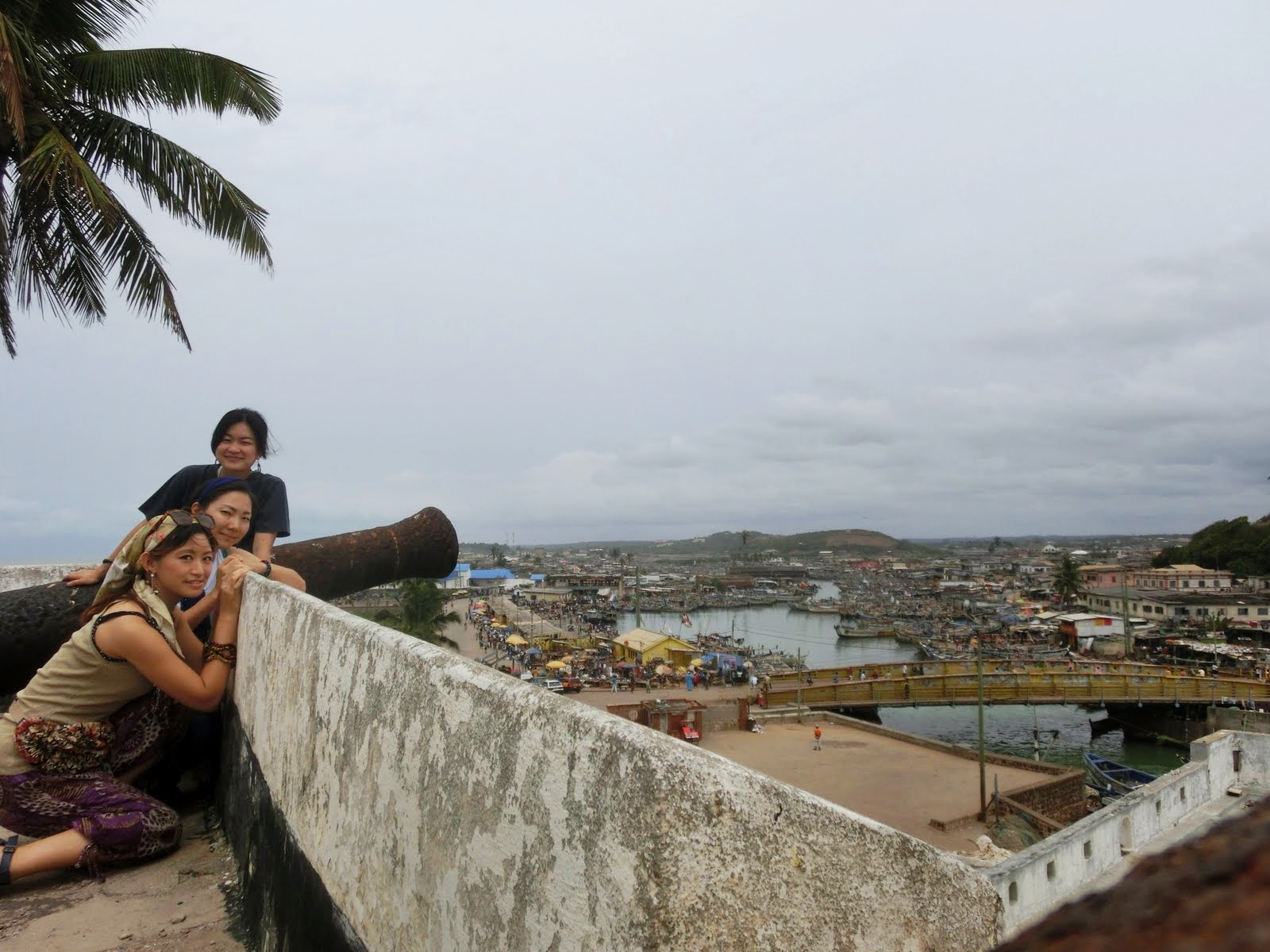
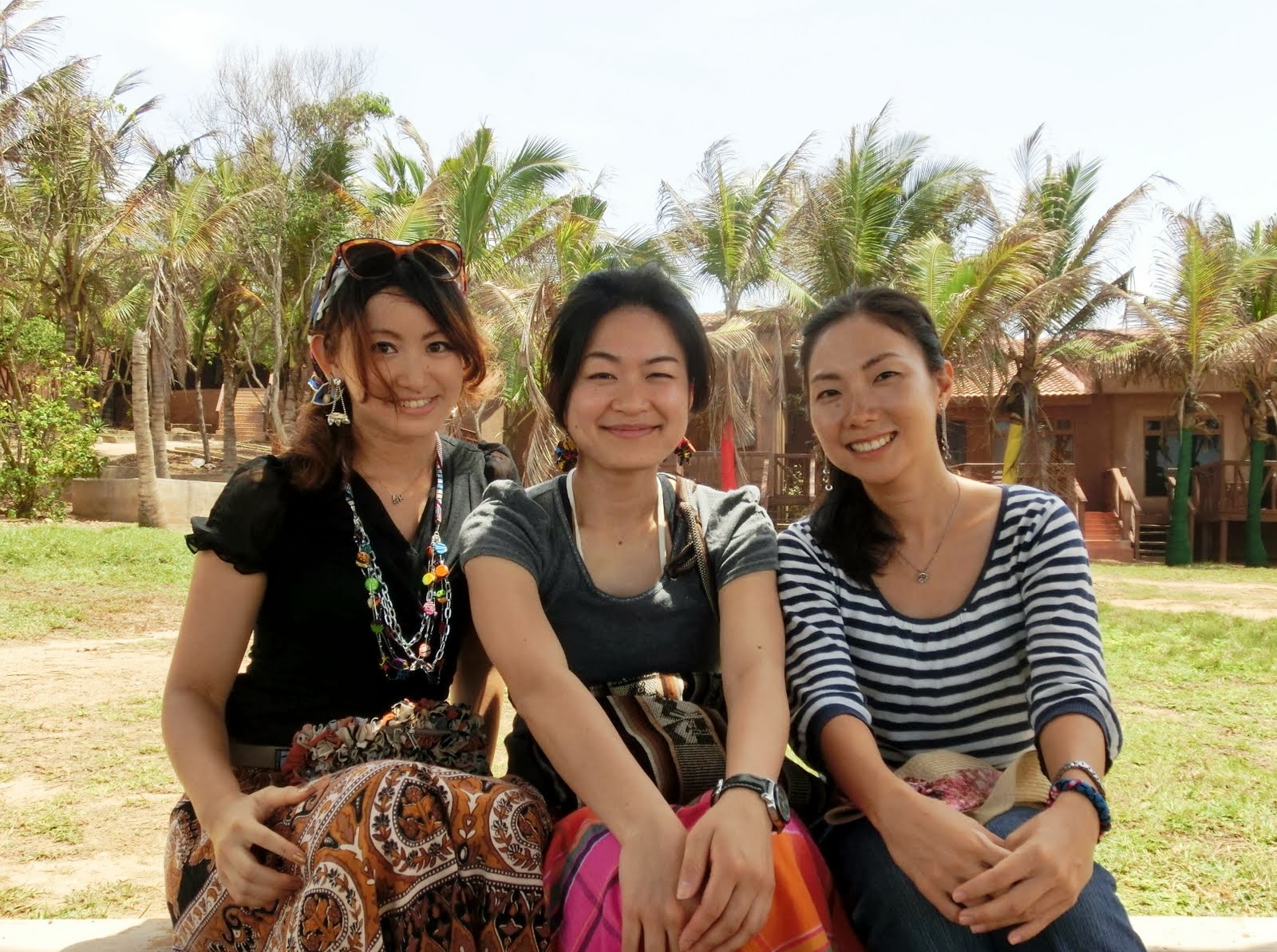
さて、3人と言えば。報告会が終わった頃に友人が二人遊びに来てくれて、今度は3人旅行を楽しみました!性格がかなり違う3人ですが、3人とも好奇心旺盛の冒険好き。この二人なら多少無理なスケジュールでも頑張ってくれるだろう・・・と短い時間にガーナ中を連れまわしました。

Anyways, speaking of 3s, two of my friends visited me after my one year presentation was over, so we went on a “three women trip”. The three of us have really different personalities, but we share curiosity and a love for adventure. I knew that I could count on these two to follow even the craziest of schedules… so I dragged them all around Ghana in a short time!

ガーナは正直に言うと「観光名所」には乏しいです。アフリカと聞いて多くの人が連想するライオンやキリンなどの動物はいないですし、観光地とされるところはちゃんと整備されていなくてただそこにあるだけ、ということも多いです。建物も小さな違いはありますが、大体の町の作りはどこに行っても同じなのでよく見ないとその小さい違いは見過ごしてしまいます。旅行に派手さを求める人には少し物足りないかもしれません。

ただ、私や二人の友人の様に小さな発見を楽しむタイプの旅行者にとって、ガーナは見どころがたくさんあります。特に、友人の言葉を借りると「ガーナは人が一番面白い!」

Ghana is honestly not the most exciting tourist destination. We don’t have the lions and giraffes that most people envision when they hear “Africa”, and most places that are designated as tourist attractions are undermanaged. There are some differences in architecture here and there, but in general most towns are built in similar structures around the town so you will miss the differences unless you look very closely. Therefore, Ghana might be a bit boring for those who want flashy experiences from their trips.

But, for people like me and my two friends who came along, Ghana has a lot to offer for the traveler that enjoys the small discoveries. As my friend puts it, “The most interesting thing about Ghana is the people!”

各地域から人が集まってきていてタクシーの値段交渉にいつも疲れる「グレーな都会」アクラ。
“The Grey City” Accra, where people from all over the country have gathered, and where you will always get tired from negotiating taxi prices…

声を張り上げて、時には腕も掴んで何が何でも売ろうとする西アフリカ最大の市場、「商売の街」クマシ。
“The City of Trade” Kumasi, where people will raise their voice and at times grab your arm and do whatever they can to sell in the biggest market in West Africa

奴隷制度の悲しい過去を壁や床に潜めているお城の隣で、観光客に慣れて適度な距離から声をかけてくる「歴史ある港」エルミナ
“The Historical Seaport” Elmina, where you will find a castle that carries the tragic past of slavery in its walls and floors, while sellers next door call you from a distance because they know tourists don’t like being hassled


西アフリカで一番高い滝まで文句は言うけれど連れて行ってくれる根は優しい人がたくさんいる「自然の町」ホホエ
“Nature Town” Hohoe, where there are many people are nicer than they sound, and will guide you to West Africa’s tallest waterfall despite small complaints

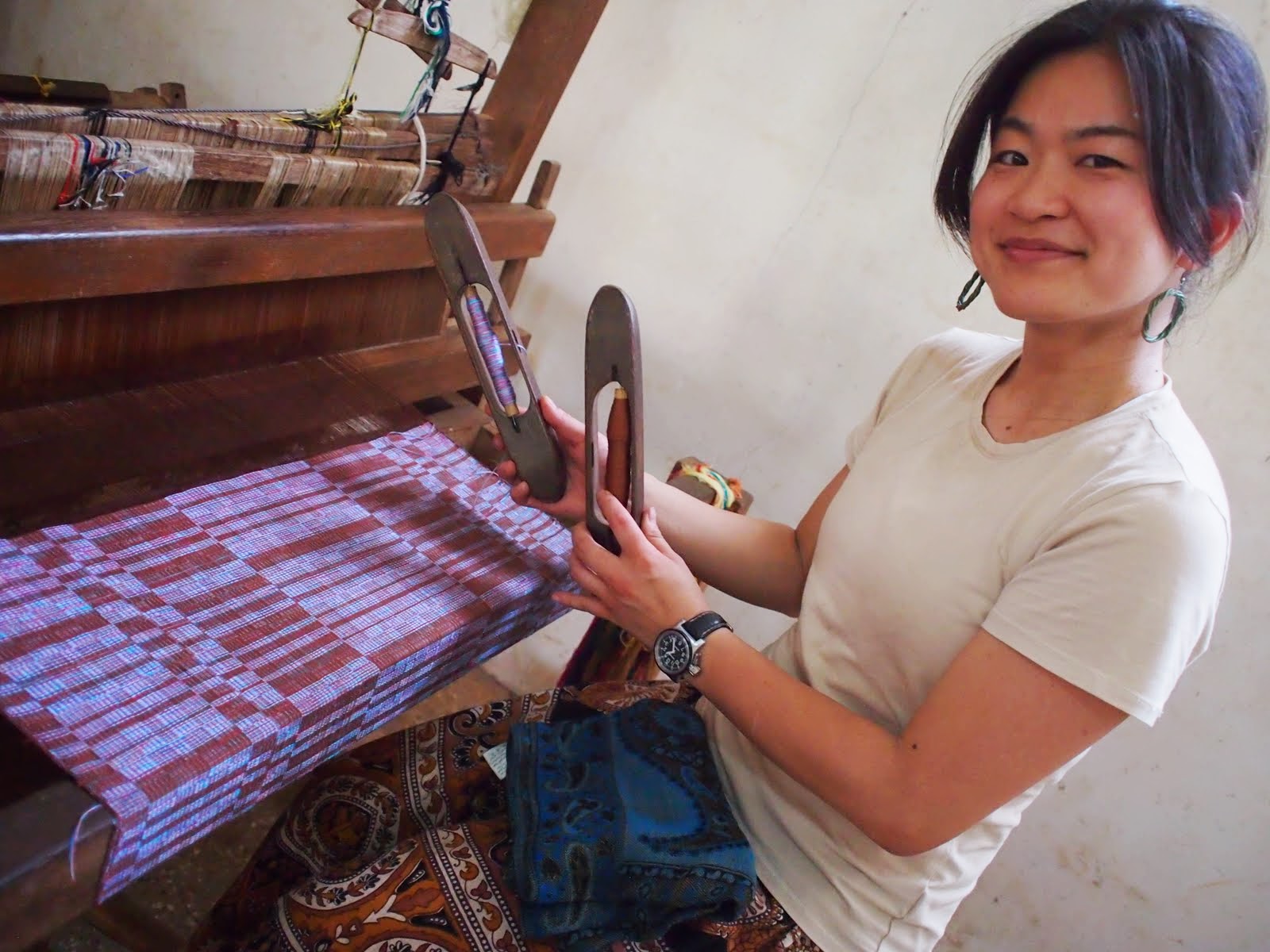
途中で現地のハンディクラフトも体験してきましたよ。アシャンティ州のジャチでは少々複雑な折り機を使ってケンテ布を織ってみて・・・
In addition, we also stopped by to experience some local handicrafts. We practiced weaving kente cloth in Jachie (Ashanti Region) using slightly complicated looms...

そしてイースタン州のオドゥマセ-クロボでガラスを砕いてビーズを作りました。
and pounded glass to make beads in Odumase-Krobo (Eastern Region).

たくさん回って本当に面白かったけれど、それでも私はやっぱりアッパーウェスト州、特に自分の任地のワが好きなのだ、と思い、大好きな友達二人にワを見せることができて嬉しかったです。

因みに、ワはやっぱり「和の町」、かな。


It was really fun to go around and see the small differences in the various regions of Ghana, but I realized that in the end I like the Upper West Region, especially my town, Wa, and was really happy that I was able to show Wa to my friends.

By the way, my name for Wa would be “The Peaceful Town” because “Wa” in Japanese means harmony!
ワの我が家に入るところ
Entering my house in Wa
配属先オフィスにて
At the office of my NGO


そうそう、ブログのタイトルの「三角旅行」ですが・・・もちろん、三角関係ではないですよ!笑
3人で作る面は三角だから。そして、今回行った町を地図でつなげると最終的に三角になるから。ちょっとひねってみました。^^

By the way, the title of my blog: “A Triangular Trip” doesn’t refer to a love triangle (of course! Lol).
It’s because a three-point shape is a triangle, and… if you map out the places we went to on this trip, it’s shaped like a triangle!

Wanted to try at something slightly clever J

Special thanks and much love to my two friends who came all the way to see me!!
こんな遠いところまで会いに来てくれた二人に感謝の気持ちとたっくさんの愛を送ります!!


ありがとう!!
Thank you!!

Monday, June 10, 2013

「仕事」について / About "Work"

最後の更新から3か月。
4月、5月があっという間に過ぎてしまい、6月になり、私はいつの間にか29歳になりました。

Three months since my last update.
April and May came and went in a glimpse, June arrived, and before I knew it I turned 29.

28歳は立ち止まって考えることの多い一年でした。
自分が本当にしたいこと、本当に言いたいこと、等を自問自答しながらひたすら悩んで考えました。
考えることは大事だけれど、考えただけでは前に進まない。行動が伴わなければならない。
なので、29歳の年は、今までの考えを実行に移す一年にしたいと願っています。
My birthday party at the office
誕生日パーティー、オフィスにて

My Year 28 was spent mostly stopping and thinking.
I spent a lot of time asking myself about what I really want to do, what I really want to say, etc.
Thinking and pondering is important, but thinking alone will not take you anywhere. It has to be followed by action.
So, my plan for Year 29 is to take action on all the things I have been thinking about this past year.

ブログも一緒!
「何を書こう、どう書こう」を悩んで書かなかった3か月。
これからは、少しずつでも書いていこうと思います!

The same goes for this blog!
I spent three months thinking about what to write and how to write it.
But now, it is time to actually write things down!

さて、今日のテーマは「仕事」です。
皆さんにとって、「仕事」とはなんですか?
働くことに対するモチベーションはどこから来ていますか?

So here goes: today’s theme is “work”.
What does “work” mean for you?
How do you motivate yourself to work?

最初はこのブログで「ガーナ人の仕事に対する姿勢」に関して書こうと思っていました。でも、すぐにそれは難しいことだと分かりました。どの例を考えても、それが「ガーナ特有」と思えないからです。

At first I was going to write about “The Ghanaian Working Style” in this blog. I quickly realized this would be too difficult, because no matter how much I thought about it, I couldn’t think of a “strictly Ghanaian” example.

例えば、海外の人はよくガーナ人は時間にルーズだと指摘します。
確かに、ミーティングの時間等をちゃんと守る人は少ないですし、10時に会いたい場合は9時と言った方が確実な場合がほとんどです。

ただし、その理由に関しては様々です。
怠けている人もいれば、ミーティングより別のことを優先している人もいれば、事情がある人もいれば、「他の人が遅れるのに早く行ったら自分の時間がもったいないから遅く行く」という人もいる。
理由も合わせて考えると、どこの国の人もさほど変わらなく見えてきます。

For example, a lot of foreigners often say that Ghanaians are never on time.
It’s true that most people do not come to meetings on time, and if you want to meet someone at 10am it would be safer to tell the person to come at 9am.

However, the reason for being late differs by person.
Some are lazy, some prioritize other events over meetings, some have legitimate reasons, and some simply don’t want to waste their time because they know that others will also be late.
If you think about the reasons, then you realize that there are people like that all over the world.

私の配属先のダイレクターが言うには、ガーナで仕事をするにはまず人付き合いを大事にしなければいけないそうです。すごく仕事ができるけれど愛想が悪い人より、仕事のスキルは劣っても一緒に仕事をして楽しい人の方が最終的に成功する。

でも、これに関しても、やはり度合いは違ってもどこの国の人に対しても言えることだと思います。確かにアメリカや日本の方が仕事の結果を重視するかもしれません。でも、どうせ一緒に仕事するならば、好感をもてる相手を選びませんか?

The Director of the NGO I work for says that if you want to work with Ghanaians, personal relationships become really important. People here would rather work with someone who is not so skilled but very friendly, than with a very skilled but unsociable person.
But here again, don’t you think the same can be said in other countries (though in varying degrees)? It’s probably true that Americans or Japanese may place more importance on results and skills. But in general, wouldn’t you rather work with someone who is pleasant to work with, if you had a choice?

私は前職でも今回の配属先の仕事でも、幸いなことにマネージメントに少し携わっているので、余計にこういった個人の理由が気になるのかもしれません。人をマネージする立場に立った場合、個人の理由を考えないと結果が伴わないからです。

I have fortunately been involved with management in my previous job as well as in my current job, so this may explain why I am particularly interested in these individual reasons.  When you are at a position to manage others, you have to think about individual reasons or the results will not follow.

仕立て屋さんのMama Fatimaさんと
With Mama Fatima, my seamstress
ここで、私と私のお気に入りの仕立て屋さんのおばさまの話をちょっと紹介します。
アフリカはたくさんの美しい布があって、洋服作りが盛んなので、私もたまに生地を買ってお気に入りのおばさまに仕立ててもらっています。

先日おばさまに少し丈の短いワンピースをオーダーしました。
図を書いて説明し、丈の長さも測ってもらっていたはずなのに、出来上がったワンピースを着てみたらお願いした丈より長いスカートになっていました。
「短くして」とお願いしても、「ダメダメ」の一点張り。
(彼女はイスラム教徒で短いスカートをはかないので)宗教上の理由で短くしたくないのか?似合わないと思うのか?と色々考えていたら、おばさまが突然
「だってそんなに短くしたら自転車に乗れないじゃない!」と言いました。

なるほど・・・自転車の心配をしてくれていたのか、と分かり、このワンピースで自転車に乗らないから大丈夫と説明したらすぐに短く直してくれました。

Let me introduce a small story between my favorite seamstress and me.
There are many beautiful fabrics in Africa and dressmaking is quite common, so I also buy some material at times and have my favorite seamstress sew them for me.

The other day, I ordered a simple dress and asked to make it short.
I drew a diagram and even had the length measured, but when I tried on the finished product, the skirt was quite long.
I asked to make it shorter but she refused to say yes.
I was wondering whether it was for religious reasons (my seamstress is Muslim and doesn’t wear  short skirts) or if it is because she doesn’t think it will look nice on me, when she suddenly exclaimed “But you can’t ride your bicycle if you make it so short!”

Aha… I finally understood that she was worried about my bicycle, so I explained that I will not ride in the dress and she promptly fixed the skirt.

おばさまが丈を短くしなかったのは、彼女の優しさであり気遣いです。
ただ、日本で一般的なカスタマーサービスでは、これは顧客の希望を無視しているので、優しさではなく迷惑、となってしまいます。

My seamstress did not make the skirt short out of kindness and concern.
However, when put in context of customer service in Japan, because she is ignoring the wishes of the customer, her kindness will be considered a problem.

もし私がおばさまとビジネスをしたいと思ったら、最終的にはお客様の要望通り、ワンピースは短くしなければいけません。ただし、ここでおばさんに怒ってしまったら、おばさんのプライドを傷つけます。彼女には彼女のプロ意識があるからです。

If I want to do business with the seamstress, I would have to convince her such that the dress ends up with a short skirt as ordered by the client. But if I get mad at her it would hurt her pride, because she has her own idea of professionalism.

「当たり前」や「常識」が違い、更に個々の理由も加味しなければいけないから、自分の国以外で仕事をするというのは難しいんでしょうね・・・

The differences in “norms” and what is “ordinary”, in addition to these individual reasons, must be what makes working outside of your home country even more difficult…
配属先NGOにて仕事中
Working at the NGO Office

私は配属先のダイレクターさんをとても尊敬しているのですが、彼を見ていると、良いリーダーの素質というのは世界中で変わらないのだな、と感じます。そして、彼の元で働いている部長さんの一人もまた尊敬する方なのですが、良いマネージャーの素質というのも世界共通なのだな、と感じます。

I really respect the Director of my NGO, but watching him teaches me that the makings of a good leader are the same around the globe.  I also admire one of the department heads that work under him, but she, too, teaches me that a good manager holds similar skills around the world.

リーダーは最終地点を示す人。「スカートは短く!」と定める人。
マネージャーはそこまでの道を作る人。「あなたの気持ちはよく分かる。でも、○○の理由から、スカートは短めに作ってね」と指示できる人。

A leader shows where the final line should be. S/he is the person that says “the skirt must be short!”
A manager is the person who builds the road to that final line. S/he is the person that can command “I know how you feel, but for xx reasons please make the skirt short”.

と、今回は随分と真面目な(つまらない?)話になってしまいましたが・・・苦笑
私の仕事に対する思いや姿勢というのもまた、世界のどこにいてもあまり変わらないのだな、と感じている今日この頃です。

So I've written quite a serious (boring) blog this time…. :P

Lately I feel that my own feelings and attitude towards work doesn’t really change no matter where I am in the world.

Monday, March 18, 2013

A not-so ordinary Sunday / いつもと少し違う日曜日


Today was supposed to be a normal Sunday.
I had been feeling a little sick since last Thursday, but since I felt a lot better this morning, I cleaned my house and sat outside to wash my clothes like any ordinary holiday.

When I was almost done washing, a boy living near my house came and said “Hikaru, your bicycle is dirty so I will wash it for you”. He said this in the local language so at first I thought I heard wrong, but another girl came to translate and it turned out that he really was offering to wash my bike. I was unsure whether he really meant it, but when I gave him my bicycle, pail and detergent, they both went off somewhere with my bike.

今日は普通の日曜日になるはずでした。
先週の木曜日から少し調子が悪くて寝込んでいたのですが、だいぶ元通りになったので、いつもの休日の様に部屋の掃除をし、外で洗濯をしました。

洗濯を終える頃、近所に住む男の子がやってきて、「ひかるの自転車、汚いから洗ってあげる」と言ってきました。現地語で言われたので聞き間違えたのかと思ったのですが、もう一人女の子が通訳に入ってくれて、やはり「洗ってあげる」と言ってくれてるみたい。本当にいいのかな?と疑問に思いながら、自転車とバケツと洗剤を渡したら、自転車を持ってどこかに行きました。

While they were gone, I was thinking about whether they wanted some small coins for washing my bike, then I wondered what would be the right amount, but wait a minute, I decided long ago that I won’t give any money, then maybe snacks will do? But I don’t have many snacks around the house. Hmm….

Before I knew it, I heard a “Nuratu~ (my Muslim name)” outside my door and when I went I saw the two of them pushing my now beautiful-looking bike. They then started walking away, which really surprised me so I quickly asked them to wait and gave them some pure water bags and gum, and they happily went home in smiles. I got a clean bicycle and warm feelings in my heart.

彼らがいない間、「自転車を洗ってくれるのはお小遣いが欲しいからなのかな・・・」と考え、こういう場合はいくらが妥当なのだろう、いや、でもお金は基本的にあげないことにしているから、だったらお菓子をあげようか。でも、お菓子もあまりないし、どうしよう・・・

と考えていたら「ヌーラトゥ~(私のイスラム名)」と呼ばれて見たら二人がきれいになった自転車を押して戻ってきていました。そしてそのまま去っていこうとしたので、私の方がびっくりしてしまい、「待って待って!」と追いかけて、冷たいピュアウォーター(袋詰めの水)とガムをあげたら、すごく喜ばれて笑顔で帰っていきました。私はきれいな自転車と温かい気持ちを手に入れました。

In the evening, when I was taking in my clothes, my landlord suddenly came and said “I’ll give you five minutes so dress nicely and go to my bride’s Amariya (wedding)!”. Today, in fact, was his second wife’s wedding day. Muslims in Wa usually have separate weddings for the men and women, and this “Amariya” is the ceremony for the wife and her female friends alone.

夕方、今度は洗濯物を取り入れていたら、大家さんがいきなりやってきて、「5分あげるから、きれいな恰好をして僕のお嫁さんのアマリーヤ(結婚式)に行きなさい!」と言ってきました。そう、今日は大家さんの二人目の奥さんの結婚式の日。ワのイスラム教徒の人たちは男女別々で式を行うので、この「アマリーヤ」は奥さんと回りの女性たちだけを集めた式です。

I quickly changed and was whisked over to the venue, and arrived just as the bride was about to enter the stage. For some reason I was taken to the bride, and we walked over to the center of stage hand-in-hand. The beautiful bride sat alone in the center, and sat quietly while the female MC made all kinds of commands and jokes on her mike. Then, once the music started the bride started dancing alone, and the audience began pressing coins to her forehead while she danced. A person was in charge of picking up the coins that fall on the ground, and apparently the money is collected and later given to the bride. Then the bride left, and this time the audience is supposed to dance to make money. Again, for some reason I was called up front, and while I danced a bunch of women came and put coins on my forehead, and I made about 2 Cedis (around $1) for the bride.
The bride sitting alone on center stage
ステージ中央で一人座るお嫁さん

急いで支度をして会場に連れて行ってもらい、着いたらちょうどお嫁さんが入場する場面。なぜか私がお嫁さんのところに連れて行かれ、彼女と手をつなぎながら会場の中央まで歩きました。美しいお嫁さんは一人中央に座って、司会者の女性がいろいろとマイクで叫ぶ中ずっと静かにいました。そして、音楽が鳴り始めたら一人で踊りだし、踊っている彼女の額にお客様がどんどんやってきてコインを押し付けます。床に落ちたコインを付き添いの人が拾い、これは後で新婦に渡されるそうです。その後お嫁さんが退場し、今度は観客が踊ってお金を稼ぐ番。ここでまたなぜか私が前に呼ばれ、踊っている間に次々とおばさま方がおでこにコインを付けてきて、結局2セディ(100円)ほどお嫁さんのために稼ぎました。

Giving coins to the dancing bride (center)
踊っている新婦(中央)にコインをあげる
The bride is still in her early 20s and has just graduated from college. The first wife who takes really good care of me is the same age as me – 28 years old. My landlord (i.e. the husband of the two) is a really nice man, and rich as expected of anybody selling water on such dry lands. I am sure that he will take care of both wives well, and the families of each wife will also benefit.

I know all this in the head, but even still, while I watched the young and beautiful bride dance on her own, my heart ached a little bit. I came home with a 5-cedi bottle of juice and a small heartache.

新婦はまだ20代前半で大学を卒業したばかり。私の面倒をよく見てくれる第1夫人は私と同い年の28歳。私の大家さん(つまり二人の旦那様)はすごく良い人で、この乾いた土地でお水を売っているのでお金持ち。きっと二人をの奥さんを大事にするだろうし、それぞれの奥さんの家族も助かるのだろう。

そういう頭の中で考えても、若く美しいお嫁さんが一人踊っている姿を見ていたら、なんだか胸が締め付けられて切なくなってしまいました。私は5セディのお祝いジュースと切ない気持ちを持って帰りました。

Throwing stones to get Chihaa
チハ―を落とすために小石を投げてみる
When I got home, some girls (probably in Middle School) were jumping around under a tree with red fruits. I asked what they were doing and they explained that they were trying to get Chiraa (the red fruit). They tried standing on top of bowls and throwing stones, but no luck. Since the tree belonged to another house, the boy of the house came out to get made for taking their Chiraa, to which the three girls replied “Hikaru wants to eat it!” (well, okay, so I DID say I want to try…)

Upon hearing this, the boy’s younger brother quickly climbed the tree and got lots of ripe fruits for us. It’s hard to describe the taste… It was like a softer version of a cashew nut, with a hint of sugar hiding at the end. It didn’t warrant an instant “Delicious!” but I told the girls that it tastes sweet and they were very happy. We ended up chatting for a little bit about my cat when the rain suddenly came, and they ran home saying bye. I went inside my house with the strange aftertaste of the Chiraa still in my mouth and with joy in my heart.

家に帰ってきたら、中学生くらいの女の子たちが赤い実のなっている木の下で何やら騒いでいます。「何しているの?」と聞いたら「Chiraa(赤い木の実)を取ろうとしているの!」とのこと。タライの上に乗って取ってみたり、石を投げてみたりしてもどうにも上手くいかない。そもそも、その木は別のお家のもので、その家の子が「家のチラーを勝手に取るな!」と怒ってきたら、女の子たちは3人そろって「だってひかるが食べてみたいって!」(まあ、確かに言ったけれど・・・)

Inside the Chihaa. Looks a bit poisonous
チハ―の実の中身。ちょっと毒々しい
そういうことならと、その子の弟がすばやく木を登ってくれて、熟れた実をたくさん取ってくれました。実はなんとも表現しにくい味・・・カシューナッツを柔らかくして、最後にちょっと甘味を足したような味で、食べてすぐ「美味しい!」とは言いにくい。それでも美味しいと言ったら女の子たちは大喜び。その後ちょっと猫のことなどお喋りしていたら突然雨が降ってきて、「ひかる、バイバイ!」と言ってそれぞれお家に走っていきました。私はチラ―の不思議な後味と楽しい気分を胸に家に入りました。

I guess I shouldn’t generalize like this, but as far as I know, I think that the majority of people who join the JICA volunteer program are experts at putting pressure on themselves. We feel that the two years must be a meaningful time despite its limitations. We must make friends, our activities must go well, we should got sightseeing, we should be open-minded, but we should also get mad when needed, we must be pure and honest and “correct” in every way… well, you get the point. We just all love to add pressure to ourselves.

一概には言えないのでしょうか、私が知っている限り、協力隊に入る人と言うのは自分にプレッシャーをかけるのが上手な人が多い気がします。2年間という限られた時間を有効に使わなければいけない。その間に友達も作らなければ、活動も上手く進めなければ、観光もしなければ、寛大にならなければ、でも怒るときには怒らなければ、清く正しく生きなければ、と・・・ 書き出せばきりがないほどのプレッシャーをついつい自分にかけてしまう人が多いような気がします。

But I think that at the end of the day, when we look back, it’s not going to be just the big events or the successful projects that stay in our memory, but days like today, where nothing special happened, but I was able to see certain things and feel certain things just because I am here. That was my small though on this hot, dry-season Sunday.

10 more days, and it will be my 1-year anniversary since arriving in Ghana.

でも、振り返ってみて一番心に残るのは、大きなイベントや活動で成功したプロジェクトだけではなく、今日の様に特別すごい何かがあったわけではないけれど、でもここにいることによって見ることのできた景色、感じることのできた気持ち、の記憶なのかな、とちょっと感じた乾季の暑い日曜日でした。

あと10日間で、来ガーナ1年記念の日になります。